

? Posted: August 14, 2026
|
? Updated: August 14, 2026
|
⏱️ Reading Time: 06.00 Min Read
Mismatched Sex Drives In Relationships Through Every Stage Of Love
Every couple eventually discovers that sharing a home is much easier than sharing the exact same level of desire. One person is happily suggesting an early night together, while the other is mentally preparing tomorrow’s shopping list or wondering if the washing machine finished its cycle. It is one of those moments where romance quietly loses a staring contest with everyday life, and it happens more often than many people admit.
Mismatched sex drives in relationships rarely develop because someone has stopped caring. More often, they reflect changing priorities, stress, health, emotions, or simply different natural patterns of desire. The encouraging part is that these differences do not have to create lasting distance. Couples who approach the issue with curiosity, patience, and teamwork often find themselves feeling closer than they did before the problem appeared.
Table Of Contents For Mismatched Sex Drives In Relationships
- When Different Levels Of Desire Begin Changing Everyday Connection
- Hidden Reasons Couples Drift Apart Physically And Emotionally
- Small Patterns That Quietly Make Desire Differences Feel Bigger
- Building A Relationship That Works For Both Partners
- Knowing When Extra Support Can Protect Your Relationship
- FAQs About Mismatched Sex Drives In Relationships
When Different Levels Of Desire Begin Changing Everyday Connection
Mismatched sex drives in relationships often begin quietly instead of appearing overnight. One partner notices they are initiating intimacy more frequently, while the other feels comfortable with less physical connection. Neither person is necessarily wrong, yet both can begin creating stories in their own mind. One worries they are no longer attractive, while the other feels pressured before the conversation has even started. Building stronger emotional intimacy and physical intimacy helps many couples understand these differences before assumptions take over.
Desire naturally changes throughout life because work, parenting, financial pressure, health, sleep quality, and emotional wellbeing rarely stay the same. Many people expect passion to remain consistent for years, but healthy relationships often move through seasons instead. Accepting that desire rises and falls removes unnecessary panic and encourages couples to focus on adapting together instead of searching for someone to blame.
The emotional impact usually becomes larger than the physical difference itself. Repeated rejection can create loneliness, while constant requests for intimacy may leave the other partner feeling guilty or overwhelmed. Those emotions slowly affect conversations, affection, and daily interactions. Recognising the issue early gives both people a chance to work together before frustration begins replacing the warmth that once felt effortless.
Hidden Reasons Couples Drift Apart Physically And Emotionally
Different sex drives usually develop through a combination of everyday life rather than one single problem. Work stress, parenting, financial pressure, poor sleep, and busy routines can leave one partner wanting time to rest while the other looks for physical closeness to reconnect. These different ways of coping can create confusion, even in healthy relationships. Couples working on how to improve intimacy in a relationship often find that strengthening emotional connection helps reduce this gap over time.
Health and relationship dynamics also influence sexual desire. Hormonal changes, medication, pregnancy, menopause, anxiety, chronic pain, unresolved conflict, or feeling unappreciated can all affect intimacy. Instead of assuming love has faded, looking at the bigger picture makes it easier for both partners to identify the real challenges and work towards solutions together.
Common Factors That Influence Sexual Desire
Mental Wellbeing
Stress, anxiety, and constant mental load can leave little energy for intimacy, even in loving relationships.
Emotional Security
Feeling valued, supported, and emotionally connected often encourages greater interest in physical affection.
Physical Health
Medical conditions, hormonal changes, recovery from illness, and prescribed medications may alter libido over time.
Daily Relationship Habits
Regular appreciation, shared responsibilities, and quality time help create an environment where intimacy can naturally grow.
Small Patterns That Quietly Make Desire Differences Feel Bigger
Desire differences often become more difficult because couples stop talking about them. One partner may avoid bringing up intimacy after feeling rejected, while the other believes everything is fine because the conversation has disappeared. Over time, this silence creates emotional distance and makes reconnecting feel much harder. Many couples facing mismatched libidos in couples find that open, respectful communication is one of the biggest steps towards rebuilding intimacy.
Another challenge appears when physical affection starts disappearing. If hugs, kisses, or cuddles are expected to lead to sex every time, one partner may begin avoiding them altogether. Keeping affection separate from expectations helps both people feel more relaxed, connected, and comfortable expressing closeness throughout the day.
Relationship Patterns Worth Paying Attention To
Busy routines slowly replace meaningful moments together.
Important conversations are delayed until frustration builds.
Small gestures gradually disappear from everyday life.
Minor frustrations begin influencing normal interactions.
Building A Relationship That Works For Both Partners
Building a stronger relationship begins by focusing on connection instead of counting how often sex happens. Honest conversations about affection, comfort, and individual needs help both partners understand each other without creating pressure or blame. Couples dealing with mismatched libido often find that feeling emotionally connected makes physical intimacy feel more natural over time.
Simple habits can make a meaningful difference. Spending uninterrupted time together, showing appreciation, sharing everyday affection, and checking in regularly help both partners stay connected as life changes. Since desire naturally shifts throughout a relationship, staying flexible and communicating openly creates a healthier balance than expecting intimacy to always look the same.
One habit my wife and I have kept over the years is making time to talk before trying to solve anything. If one of us has had a stressful day, we don’t force intimacy or assume the other person has lost interest. We sit together, laugh about the little things, and reconnect first. Those simple moments usually remind us that feeling close starts well before the bedroom, and that approach has helped us stay connected through busy and challenging times.
Knowing When Extra Support Can Protect Your Relationship
Sometimes the healthiest decision is asking for additional support instead of trying to solve everything alone. If conversations repeatedly end in frustration, resentment continues growing, or intimacy has disappeared for an extended period, speaking with a qualified relationship counsellor or healthcare professional can provide practical guidance tailored to your situation. Seeking support reflects commitment to the relationship rather than failure.
Medical advice may also be valuable when changes in desire appear suddenly or are accompanied by ongoing pain, fatigue, medication changes, hormonal concerns, or emotional wellbeing challenges. Addressing the underlying cause often improves both physical intimacy and overall quality of life, making it easier for couples to reconnect without unnecessary guesswork.
Mismatched sex drives in relationships do not have to define a couple’s future. Many long-term relationships become stronger after partners learn how to communicate openly, adapt to life’s changing seasons, and approach intimacy as a shared journey instead of a problem one person must solve alone. Patience, kindness, and regular conversations create the strongest foundation for lasting closeness.
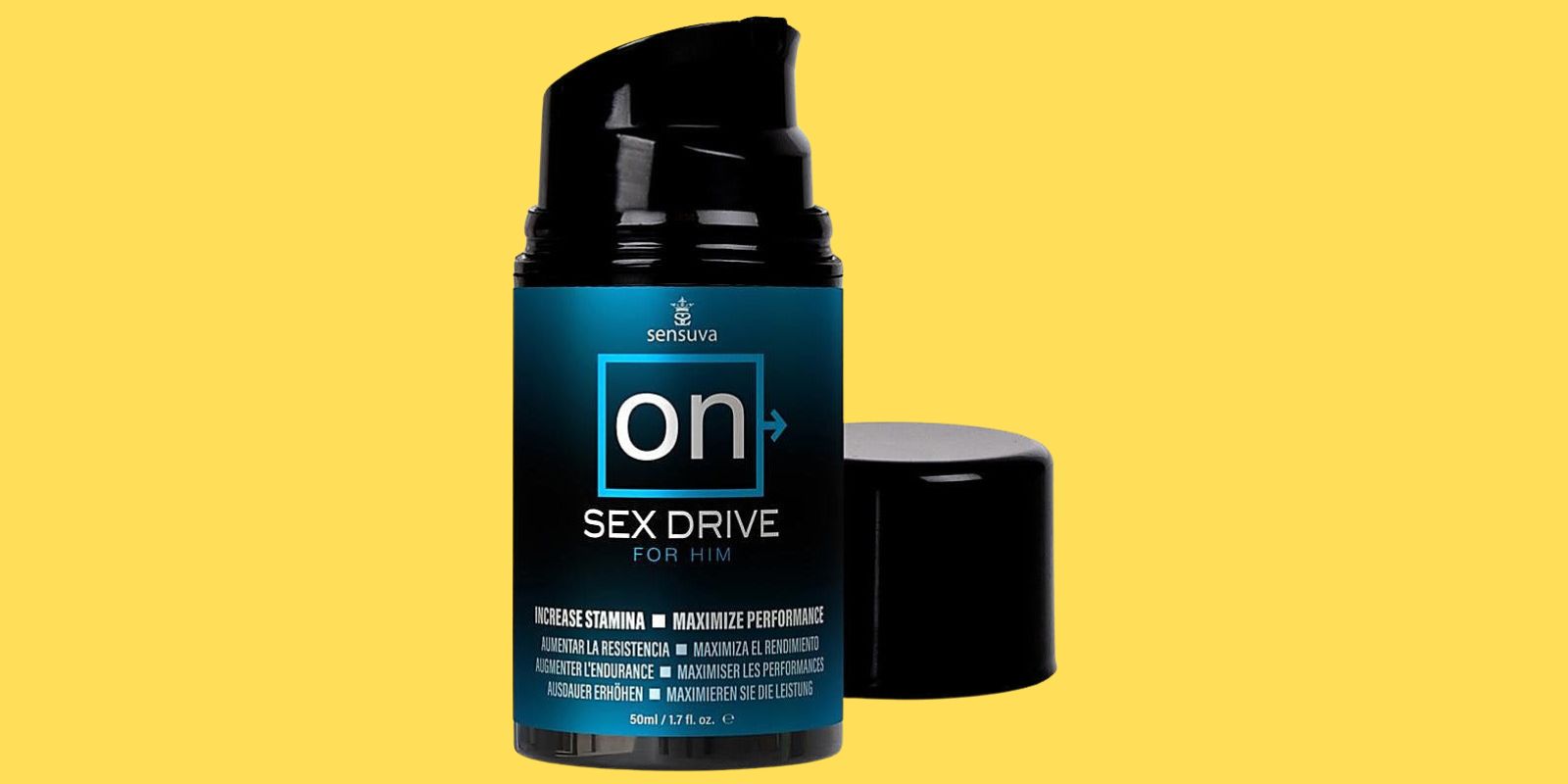
Support Intimacy Together With Sex Drive Performance Maximizer Gel by Sensuva
Mismatched sex drives in relationships often improve when couples combine honest communication with products designed to enhance comfort and confidence. Sex Drive Performance Maximizer Gel by Sensuva is a simple addition that can help increase arousal and make intimate moments feel more enjoyable, giving partners another way to reconnect while continuing to strengthen their emotional and physical relationship.
FAQs About Mismatched Sex Drives In Relationships
Why do couples develop different sex drives over time?
Life changes such as stress, health, hormones, ageing, parenting, and emotional connection can gradually influence desire in different ways for each partner.
How can partners discuss different sex drives without hurting each other?
Choose a calm moment, focus on personal feelings instead of blame, and work together to find solutions that respect both partners’ needs.
What habits often make desire differences harder to manage?
Avoiding conversations, using guilt, keeping score, and letting everyday affection disappear can increase emotional distance over time.
Can emotional closeness improve physical intimacy?
Many couples find that feeling appreciated, supported, and emotionally connected encourages greater comfort with physical affection and intimacy.
When should couples seek professional support for intimacy concerns?
Persistent conflict, long-term emotional distance, sudden changes in desire, or health concerns are good reasons to involve a qualified professional.